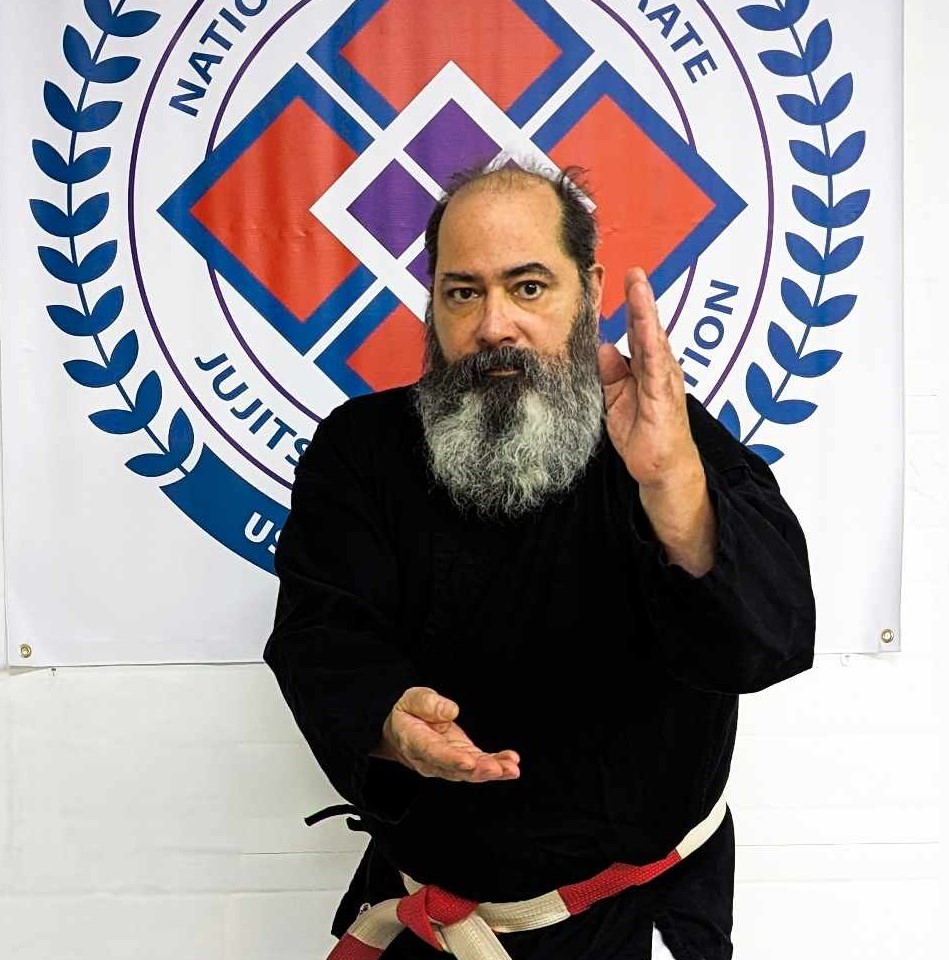
David Colaizzi
Senior Instructor
8th Dan, Karate-do
Hanshi
7th Dan, Okinawan Shorin-ryu
There is no single martial arts school that is best for every student.
The right school depends on what you want from training, how you prefer to learn, the environment in which you feel comfortable, and whether the curriculum supports your long-term goals.
A tournament competitor, a parent searching for a children’s activity, and an adult seeking movement, structure, and practical martial arts skill may each need a different type of program.
Do not begin by asking which school is the most popular. Begin by asking which school is designed to help someone like you progress.
Before comparing martial arts schools, decide what you want training to help you accomplish.
You may want to improve mobility, balance, coordination, posture, strength, conditioning, or confidence in how your body moves.
You may be interested in kata, striking, kobudo, controlled partner training, self-defense awareness, or practical application.
You may want a structured activity that requires attention, discipline, patience, and continued learning.
You may want a practice that can continue developing as your body, understanding, and personal goals change.
Knowing what you want makes it easier to recognize whether a school’s actual program matches its advertising.
A martial arts school is more than its style name, instructor rank, trophies, or promotional claims. Look closely at how the school teaches and what students are expected to develop.
Determine whether the program is designed primarily for children, families, tournament competitors, fitness clients, or adults seeking serious long-term study.
Good teaching includes explanation, demonstration, repetition, individual correction, and enough time for students to understand the material.
Look for respect, clear expectations, controlled practice, and a low-ego environment where students can learn without unnecessary intimidation.
A complete program should connect foundational movement, techniques, forms or kata, partner training, application, and progressive skill development.
Effective training should challenge students without treating reckless contact, uncontrolled behavior, or unnecessary injuries as proof of seriousness.
Progress should include better movement, improved timing, stronger body awareness, greater understanding, and more capable responses. It should not be measured only by rank advancement.
Instructor credentials matter, but rank alone does not tell you whether someone can teach.
Watch how instructors communicate with beginners. Do they explain why movements are practiced? Do they correct students respectfully? Do they recognize that adults arrive with different bodies, backgrounds, and levels of experience?
Good instruction should provide enough structure for students to improve without making them dependent on imitation alone.
Students should gradually learn how posture, balance, timing, distance, coordination, and body mechanics affect the movement they are practicing.
The atmosphere of a martial arts school affects how people train, learn, and remain involved.
A mature training environment does not need to be casual, but it should be respectful. Students should be able to ask questions, make mistakes, receive correction, and improve without being humiliated.
Serious training does not require constant shouting, intimidation, or proving who is toughest. It requires attention, consistency, discipline, controlled practice, and honest effort.
Observe how advanced students treat beginners and how instructors respond when someone struggles. These details often reveal more about the school than its advertising.
Ask whether the program is primarily built for adults, children, families, competition, fitness, or another audience.
Find out whether complete beginners receive progressive instruction or are expected to keep up with experienced students immediately.
Ask whether instructors provide individual feedback on posture, movement, timing, coordination, and technique.
Learn how the school introduces contact, distance, timing, application, sparring, and self-defense awareness.
Training should become more demanding as the student develops, but intensity should not replace control or sound instruction.
Ask how rank, understanding, movement quality, consistency, application, and overall development are assessed.
An introductory experience should allow you to observe and participate in the school as it actually operates rather than only attending a sales presentation or demonstration class.
Be cautious when a school pushes a long-term agreement before you have experienced the regular class environment.
No responsible martial arts school can guarantee how a student will perform in every confrontation. Practical skill develops through movement, awareness, timing, distance, repetition, and controlled experience.
Rank should reflect development. It should not replace development.
Challenge and controlled pressure are valuable. Unnecessary injury and uncontrolled behavior are not signs of superior instruction.
Students should understand how foundational movement, kata or forms, partner training, application, and other areas of study support one another.
CoVA Karate is a Virginia Beach martial arts school designed primarily for adults and serious teens 17+.
Our central system is traditional Okinawan Shorin-ryu karate. Training connects foundational movement, kata, kobudo, posture, balance, timing, controlled partner work, self-defense awareness, and practical application.
The objective is not fast promotion, entertainment, or proving who is toughest. The objective is to help students develop understanding, capable movement, discipline, and skill over time.
Our program is structured for adults, professionals, veterans, returning martial artists, complete beginners, and serious teens 17+ prepared for a mature dojo environment.
Students receive explanation and correction rather than being expected to copy movements without understanding their purpose.
Training emphasizes posture, balance, coordination, timing, weight transfer, body awareness, and the ability to move with less hesitation.
Students study Okinawan Shorin-ryu karate, kata, traditional weapons, controlled partner training, and practical application as connected parts of the curriculum.
Students are expected to train seriously while respecting different experience levels, physical starting points, and personal goals.
For an overview of the program, visit Adult Martial Arts in Virginia Beach.
To see how regular training is structured, visit Karate Classes in Virginia Beach.
If you are beginning for the first time or returning after years away, visit Adult Martial Arts for Beginners in Virginia Beach.
You can also learn about the school’s instructors, history, and teaching approach on the About CoVA Karate page.
Yes. Complete beginners are welcome. Instruction begins with foundational movement, posture, balance, coordination, and essential karate skills.
No. Training is where students begin developing movement, coordination, mobility, and physical capacity.
Both. CoVA Karate is a martial arts school, and the central martial art taught is traditional Okinawan Shorin-ryu karate.
CoVA Karate is focused on adults and serious teens 17+ who are prepared to train in a mature dojo environment.
Self-defense awareness and practical application are part of the curriculum. Students develop movement, timing, distance, structure, awareness, and controlled partner skills over time.
Regular classes are held Tuesday and Thursday from 7:00 to 8:30 PM. Students should arrive by 6:45 PM.
No. Style can help identify the curriculum, but the quality of instruction, school culture, class structure, safety, and long-term purpose are equally important.
CoVA Karate offers a 1-Day Free Evaluation. The two-week CoVA Karate Audit is $50 and allows participation in up to four regular classes before you decide whether the school’s teaching approach supports your goals.
CoVA Karate’s instructors bring together decades of martial arts training, teaching, and continued study.
Karate-do credentials and Okinawan Shorin-ryu ranks are separate recognitions and are identified according to the system through which each was awarded.
Senior Instructor
8th Dan, Karate-do
Hanshi
7th Dan, Okinawan Shorin-ryu
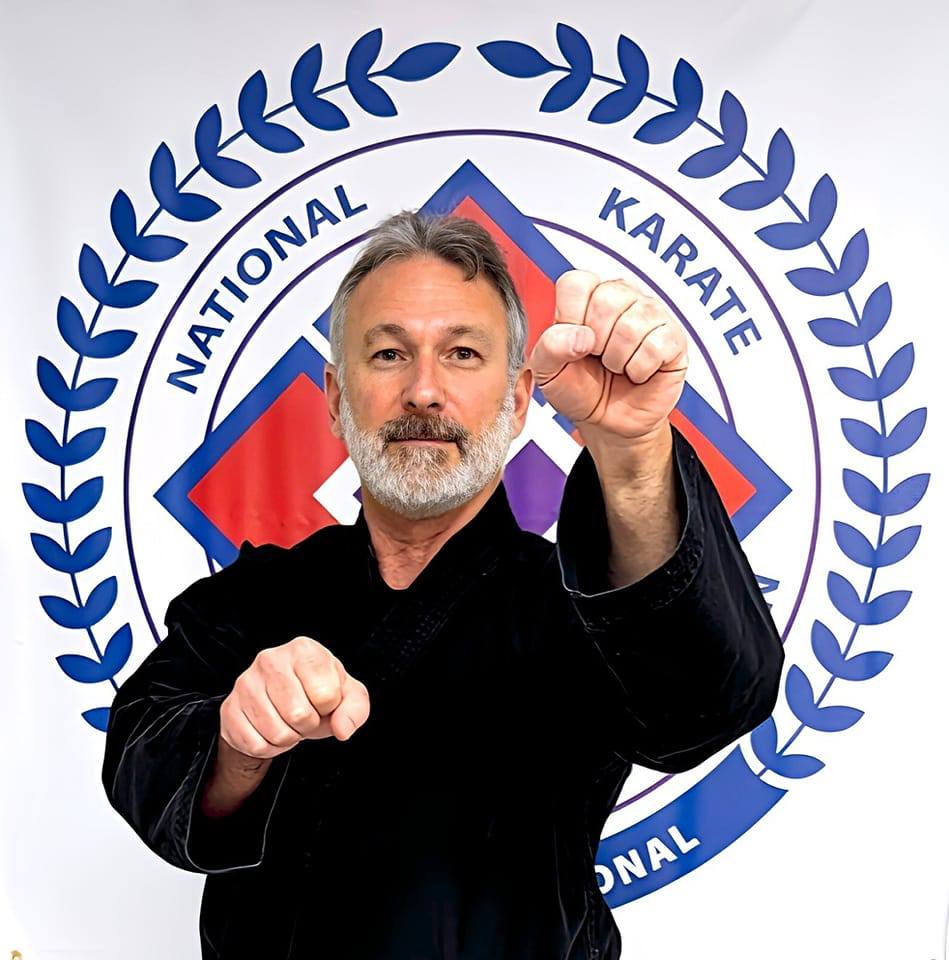
Owner and Director
7th Dan, Karate-do
6th Dan, Okinawan Shorin-ryu
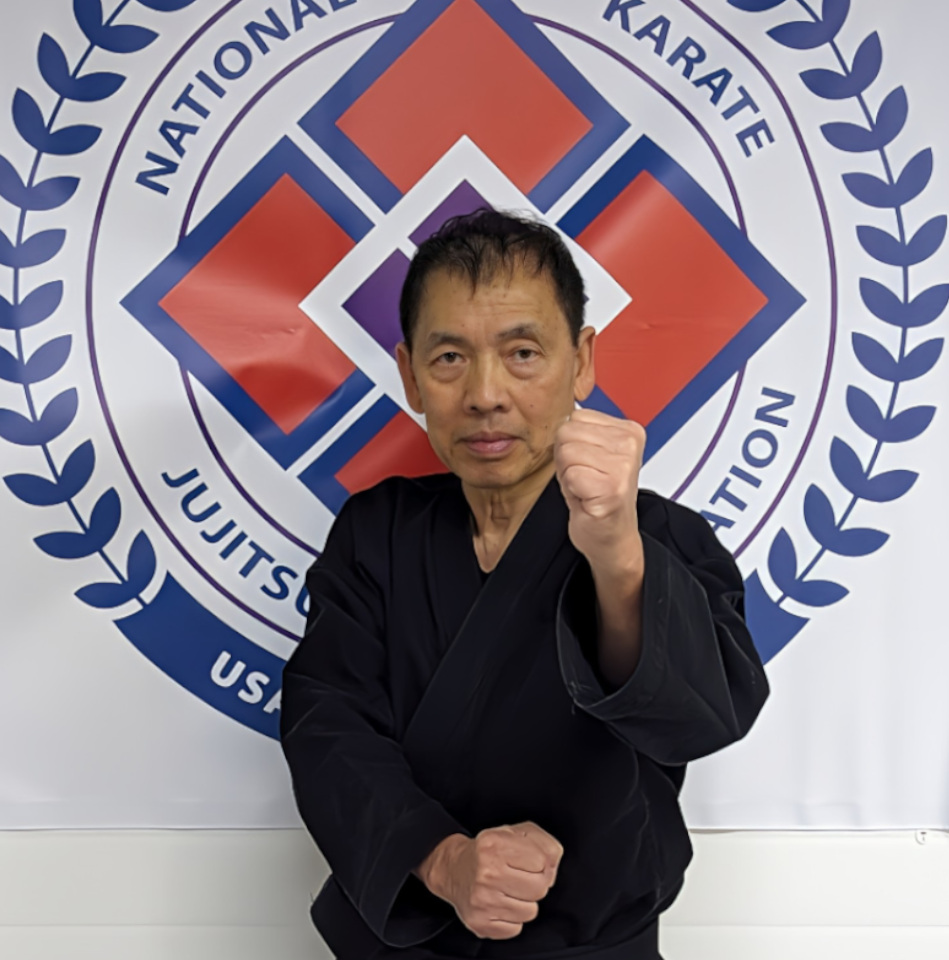
Instructor
5th Dan, Karate-do
Renshi
3rd Dan, Okinawan Shorin-ryu
Learn more about their backgrounds, lineage, and teaching approach on the About CoVA Karate page.
CoVA Karate’s instructors are members of the National Karate Jujutsu Federation, commonly known as the NKJF.
Karate-do credentials and Okinawan Shorin-ryu ranks are identified separately.
CoVA Karate
3157 Shipps Corner Road, Suite 106
Virginia Beach, VA 23453
Tuesday & Thursday
7:00–8:30 PM
Arrival by 6:45 PM
CoVA Karate serves adults and serious teens 17+ from Virginia Beach, Chesapeake, Norfolk, and surrounding Hampton Roads communities.
Call or Text: 757-745-9041
Email: uchinate@protonmail.com
3157 Shipps Corner Road
Suite 106
Virginia Beach, VA 23453
Tuesday & Thursday
7:00–8:30 PM
Arrival by 6:45 PM