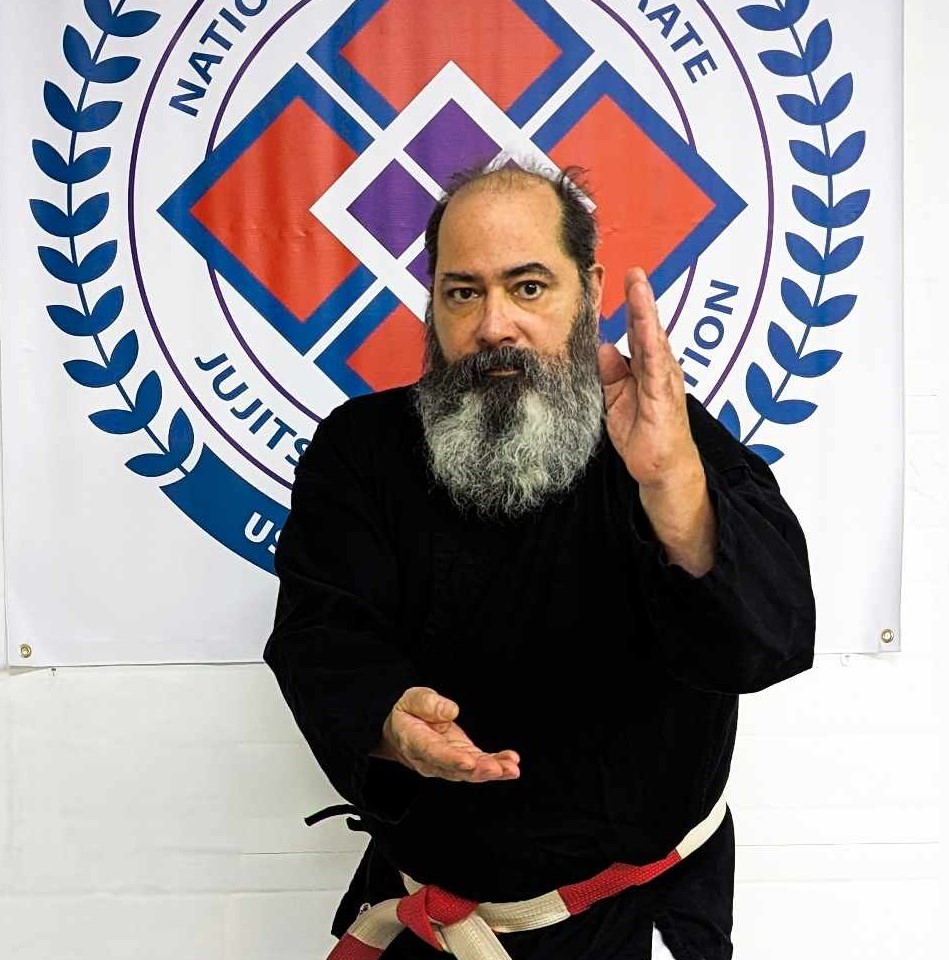
David Colaizzi
Senior Instructor
8th Dan, Karate-do
Hanshi
7th Dan, Okinawan Shorin-ryu
CoVA Karate offers structured karate classes in Virginia Beach for adults and serious teens 17+. Training is rooted in Okinawan Shorin-ryu karate and connects foundational movement, kata, kobudo, partner training, self-defense awareness, and practical application.
Classes are not built around rushing students through techniques or promotions. Each part of the curriculum helps students develop posture, balance, coordination, timing, body awareness, and greater control over how they move.
Complete beginners are introduced progressively. Returning and experienced martial artists receive the correction, detail, and deeper study needed to continue developing.
The exact lesson changes from class to class, but training generally moves through several connected areas of study.
Classes begin by preparing the body through controlled movement. Students work with posture, joint mobility, balance, stepping, rotation, weight transfer, and coordination rather than relying only on static stretching.
Students practice stances, transitions, strikes, receiving movements, footwork, breathing, and body mechanics. These fundamentals support everything that follows.
Kata gives students a repeatable method for studying movement, structure, balance, timing, coordination, breathing, and transitions. It is not treated as empty choreography or performance.
Controlled partner work helps students understand distance, timing, contact, positioning, awareness, and how movement changes when another person is involved.
Students examine how karate movements and principles relate to striking, positioning, disruption, control, and practical responses. Applications are studied progressively rather than presented as guaranteed self-defense tricks.
Okinawan weapons training is part of the broader curriculum and is introduced progressively. Kobudo develops grip, posture, range, coordination, spatial awareness, precision, and whole-body connection.
Regular CoVA Karate classes are held:
Tuesday & Thursday
7:00–8:30 PM
Arrival by 6:45 PM
Students participating in the Two-Week Audit train during the regular class rather than being placed into a separate sales presentation or demonstration class. This gives you an opportunity to experience the actual dojo environment before deciding whether the school is right for you.
Kata is central to the way karate is taught at CoVA Karate. It provides a structured environment in which students can repeat movement, recognize errors, make corrections, and gradually build greater body awareness.
Kata teaches movement.
Movement builds body awareness.
Body awareness builds trust.
Trust reduces hesitation.
Less hesitation allows better response.
This progression connects kata to balance, mobility, timing, partner training, and practical martial arts skill.
Beginners are not expected to understand karate terminology, memorize complex sequences, or move like experienced students during their first classes.
Training begins with manageable movements and clear instruction. Students are introduced to posture, balance, stepping, foundational techniques, class etiquette, and the general structure of the curriculum.
You will receive correction, but you will not be expected to fix everything at once. Improvement develops through repetition, attention, instruction, and continued practice.
Karate training is where you begin building movement, coordination, mobility, and physical capacity. You do not need exceptional strength, endurance, or flexibility before attending.
Complete beginners are welcome. Returning martial artists are also encouraged to begin at a pace that allows them to rebuild timing, movement, body awareness, and confidence.
CoVA Karate is designed for adults and serious teens 17+ who want focused instruction and long-term development.
Students include professionals, veterans, military families, business owners, complete beginners, and people returning after years away from martial arts.
The dojo culture is respectful and low-ego. Serious training does not require intimidation or reckless contact. It requires clear instruction, purposeful repetition, technical correction, and consistent effort.
New students do not need to purchase a karate uniform before beginning their Two-Week Audit. Wear comfortable athletic clothing that allows you to move safely.
Avoid clothing with restrictive fabric, exposed zippers, or accessories that could interfere with movement. Remove watches, jewelry, and other items that could catch during training.
Arrive hydrated and ready to move, but there is no need to complete a separate workout before class.
Rank is one part of martial arts training, but it is not the only measure of progress.
Students are evaluated through their understanding of the curriculum, movement quality, posture, balance, timing, coordination, consistency, application, and ability to perform with greater control.
The objective is not to collect belts quickly. It is to build a foundation that continues developing as the student’s body, knowledge, and experience change.
This page focuses specifically on what happens during karate classes at CoVA Karate.
For a broader overview of the complete adult training program, visit Adult Martial Arts in Virginia Beach .
New to martial arts or returning after several years away? Visit Adult Martial Arts for Beginners in Virginia Beach .
To compare instruction, curriculum, and dojo culture, read How to Choose the Best Martial Arts School in Virginia Beach .
Classes may include movement preparation, posture and balance work, foundational techniques, kata, kobudo, controlled partner training, practical application, and self-defense awareness.
Regular classes are held Tuesday and Thursday from 7:00–8:30 PM. Students should arrive by 6:45 PM.
Yes. Beginners are introduced progressively through foundational movement, posture, balance, coordination, basic techniques, and the structure of the class.
Adults and serious teens 17+ train together in the same mature and structured dojo environment.
Yes. Kata is central to the training. It is used to study movement, structure, timing, balance, body awareness, breathing, self-defense principles, and practical application.
Yes. Traditional Okinawan kobudo is part of the broader curriculum. Kobudo helps students develop grip, posture, range, coordination, precision, spatial awareness, and whole-body movement.
Self-defense awareness and practical application are included, but the training does not rely on gimmicks or guaranteed outcomes. Students develop movement, timing, distance, structure, awareness, and controlled partner skills over time.
Wear comfortable athletic clothing that allows you to move freely. You do not need to purchase a karate uniform before beginning your audit.
New students can begin with a Two-Week Audit. This allows you to participate in the regular training environment, meet the instructors, ask questions, and determine whether CoVA Karate is the right fit.
The CoVA Karate instructors bring together decades of martial arts training, teaching, and continued study.
Karate-do credentials and Okinawan Shorin-ryu ranks are separate recognitions and are identified according to the system through which each was awarded.
Senior Instructor
8th Dan, Karate-do
Hanshi
7th Dan, Okinawan Shorin-ryu
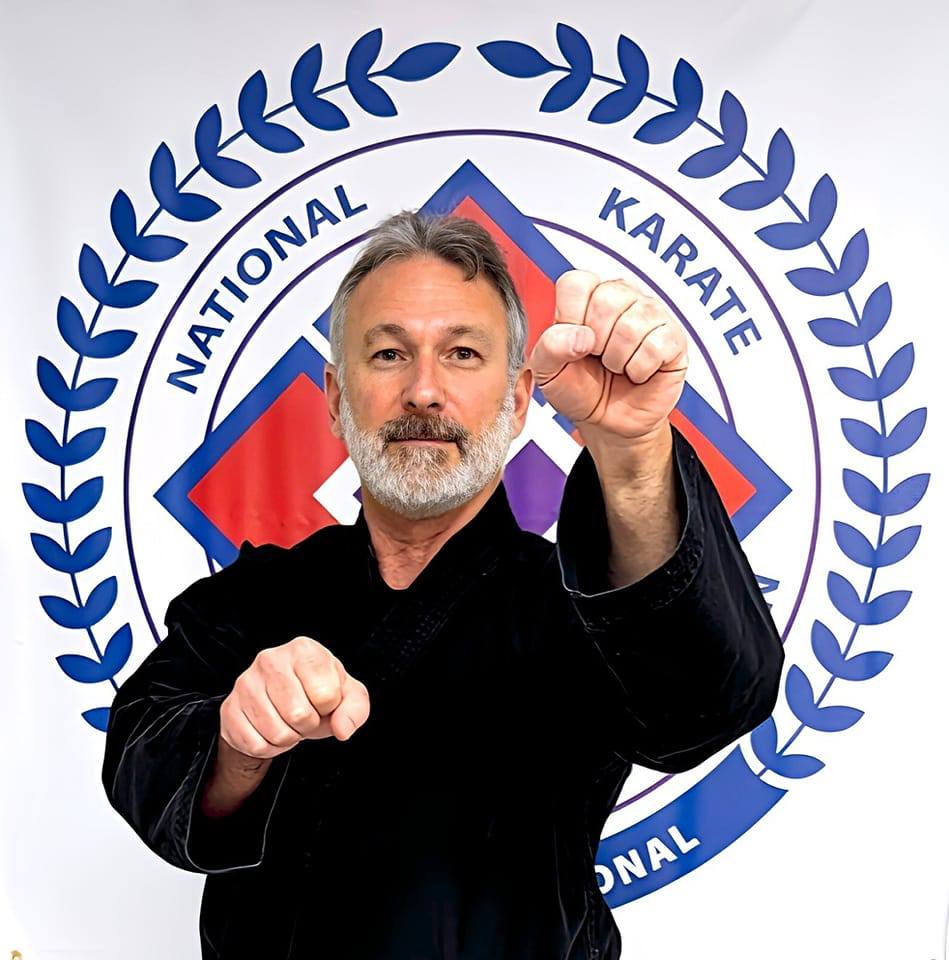
Owner and Director
7th Dan, Karate-do
6th Dan, Okinawan Shorin-ryu
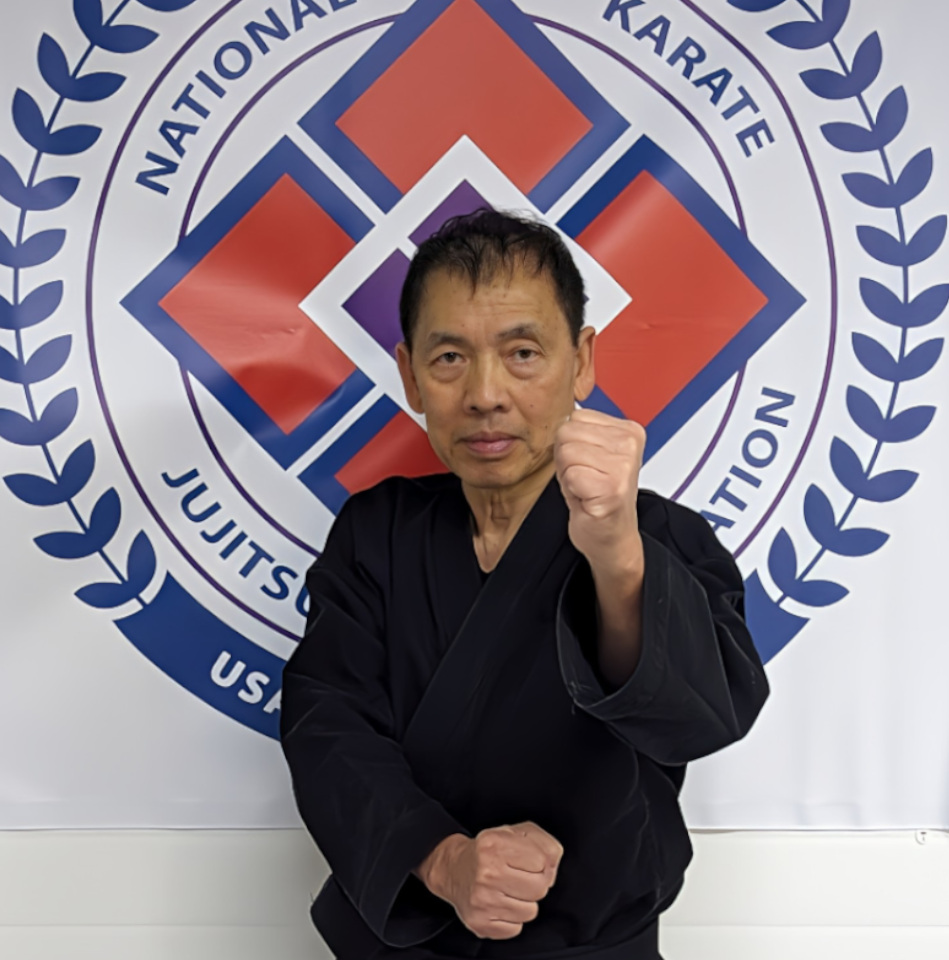
Instructor
5th Dan, Karate-do
Renshi
3rd Dan, Okinawan Shorin-ryu
Learn more about their backgrounds, lineage, training history, and teaching approach on the About CoVA Karate page .
The CoVA Karate instructors are members of the National Karate Jujutsu Federation, commonly known as the NKJF.
Credentials awarded or recognized through the NKJF are identified separately from each instructor’s Okinawan Shorin-ryu rank.
CoVA Karate
3157 Shipps Corner Road, Suite 106
Virginia Beach, VA 23453
CoVA Karate serves adults and serious teens 17+ from Virginia Beach, Chesapeake, Norfolk, and surrounding Hampton Roads communities.
Call or Text: 757-745-9041
Email: uchinate@protonmail.com
3157 Shipps Corner Road
Suite 106
Virginia Beach, VA 23453
Tuesday & Thursday
7:00–8:30 PM
Arrival by 6:45 PM