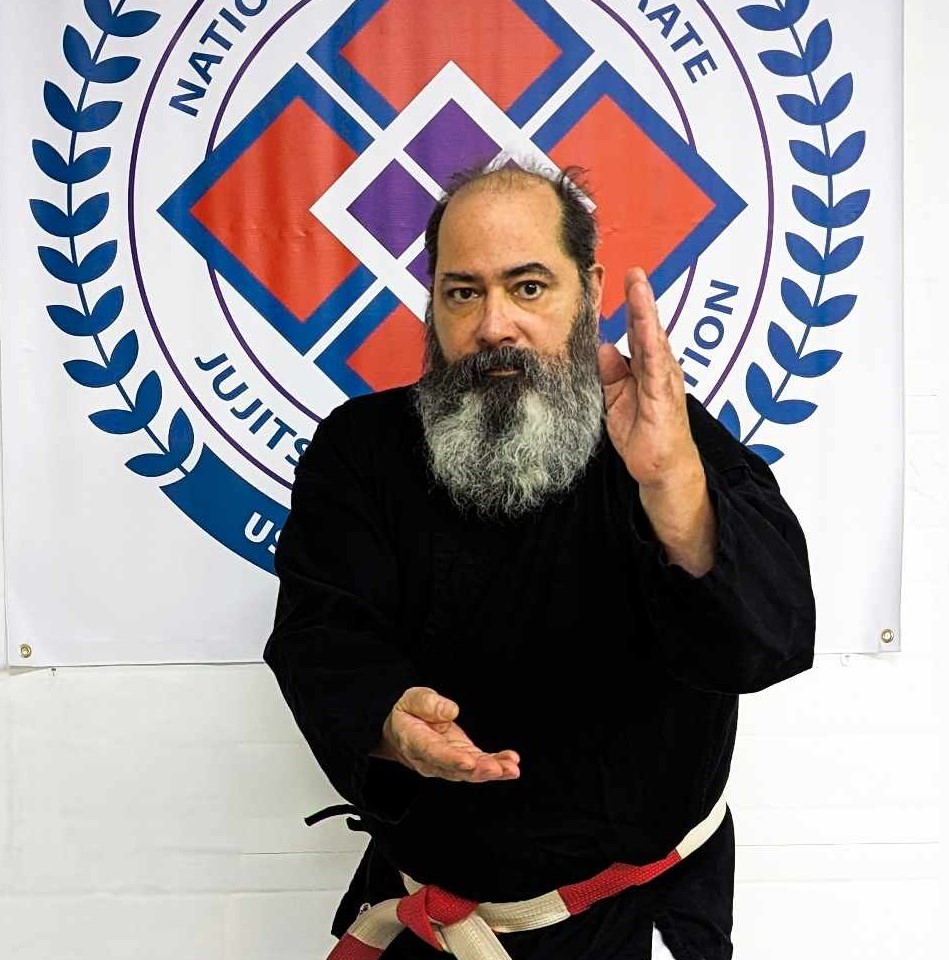
David Colaizzi
Senior Instructor
8th Dan, Karate-do
Hanshi
7th Dan, Okinawan Shorin-ryu
CoVA Karate provides structured adult martial arts training in Virginia Beach for people who want more than exercise, entertainment, or fast promotion.
Our program offers adults and serious teens 17+ a mature alternative to child-centered classes, competition-first programs, and short-term fitness trends.
Training is rooted in traditional Okinawan Shorin-ryu karate and includes movement, mobility, kata, kobudo, timing, controlled partner work, practical application, and self-defense awareness.
Whether you are beginning for the first time or returning after years away, you will progressively study posture, balance, coordination, distance, timing, body mechanics, body awareness, and the ability to move with greater control.
You do not need to get in shape before beginning martial arts. Training is where you begin developing the movement, coordination, confidence, and physical capacity you need.
Many martial arts schools are structured primarily around children. CoVA Karate is designed for adults, professionals, veterans, military families, returning martial artists, complete beginners, and serious teens 17+ who are prepared to train in a mature environment.
The atmosphere is focused, respectful, and low-ego. Students are expected to make an honest effort, accept correction, ask questions, and allow their skill to develop over time.
Instruction recognizes that adults bring different levels of experience, mobility, coordination, physical confidence, and previous activity into the dojo.
Students improve through repetition, technical correction, understanding, and consistent practice rather than artificial urgency or pressure to advance quickly.
The purpose is to develop skill and understanding, not to prove who is toughest or turn every class into a competition.
Training is intended to remain meaningful as your movement, understanding, physical capabilities, and personal goals develop over time.
Adults comparing programs should consider the school’s environment, quality of instruction, teaching method, and long-term purpose. Read our guide on how to choose the best martial arts school in Virginia Beach .
Karate provides the training method, but the development extends beyond individual techniques. Students learn how posture, structure, timing, distance, coordination, movement, and body awareness work together.
Training develops posture, rotation, balance, weight transfer, joint control, coordinated stepping, and the ability to move with greater confidence.
Students learn to recognize where their body is in space, how weight is distributed, how posture affects movement, and how small adjustments can improve stability and control.
Students learn to recognize position, manage distance, coordinate movement, and respond with better timing rather than relying only on speed or strength.
Kata gives students a structured method for studying transitions, alignment, balance, coordination, breathing, weight transfer, and continuous movement.
Students explore how karate principles apply through positioning, striking, disruption, control, movement, and controlled partner exercises.
Okinawan weapons training develops grip, posture, coordination, spatial awareness, distance, precision, and whole-body movement.
Training develops awareness, structure, movement, timing, distance, and controlled partner skills without relying on gimmicks, scripted guarantees, or unrealistic promises.
Learn more about what happens during our karate classes in Virginia Beach .
Students do not merely memorize techniques. They develop a relationship with their own movement and gradually learn to trust what their bodies can do.
Kata teaches movement.
Movement builds body awareness.
Body awareness builds trust.
Trust reduces hesitation.
Less hesitation allows better response.
This progression connects traditional karate practice to mobility, balance, timing, partner training, practical application, and greater confidence under pressure.
The goal is not simply to memorize a sequence. Students learn the structure first and then begin to understand the principles contained within that structure.
Complete beginners are welcome. You are not expected to understand karate terminology, memorize complex movements, or perform at the level of experienced students during your first classes.
Training begins with manageable movements and clear instruction. Students are introduced to posture, balance, stepping, foundational techniques, class etiquette, and the general structure of the curriculum.
You will receive correction, but you will not be expected to correct everything at once. Improvement develops through repetition, attention, instruction, and continued practice.
For a more detailed introduction, visit our adult beginner martial arts page .
Returning martial artists often remember more than their bodies can immediately reproduce. Timing may feel slower. Balance may feel different. Movements that were once automatic may require attention again.
That is a normal part of returning. You are not beginning from nothing, but you are also not expected to perform exactly as you did years ago.
Returning students rebuild their foundation through movement, posture, repetition, correction, and renewed body awareness. Previous experience becomes useful again as the body reconnects with familiar principles.
For many returning martial artists, training also becomes less about recreating the person they were years ago and more about developing the body and skill they want to carry forward.
Adult martial arts training does not have to be built around fighting, competition, or short-term physical challenges.
For many students, karate becomes a long-term practice for continuing to develop balance, coordination, movement, awareness, focus, and physical confidence.
The way you train at 30 does not have to be identical to the way you train at 50, 60, or 70. Good martial arts training continues to develop as the student develops.
That long-term perspective is an important part of how we approach adult training at CoVA Karate.
Many adults begin later in life. Training is introduced progressively so students can develop movement, balance, timing, coordination, and confidence at a realistic pace.
No. Some students begin with no previous experience, while others return after years away. Instruction begins with the fundamentals and develops step by step.
No. You do not prepare for martial arts by postponing martial arts. Training is where you begin improving your movement, physical capacity, coordination, and confidence.
Both. CoVA Karate is a martial arts school, and the central system we teach is traditional Okinawan Shorin-ryu karate.
Adults and serious teens 17+ train together in the same mature environment. The program is designed around adult instruction rather than children’s entertainment or game-based activities.
Training develops posture, balance, controlled range of motion, rotation, coordination, weight transfer, and more confident movement over time.
No. CoVA Karate is a traditional martial arts school rather than a competition-fighting program. Practical application and self-defense awareness are part of the training, but they are studied alongside movement, kata, kobudo, body mechanics, partner work, and long-term development.
Yes. Students develop movement, structure, timing, distance, awareness, practical application, and controlled partner skills rather than memorizing guaranteed responses or scripts.
You participate in the regular training environment, meet the instructors, train alongside our students, experience the teaching method, and ask questions before deciding whether CoVA Karate is the right fit for you.
The CoVA Karate teaching team brings together decades of training, teaching, and continued study across different martial arts systems, disciplines, and organizations.
Karate-do credentials and Okinawan Shorin-ryu ranks are separate recognitions and are identified according to the system through which each was awarded.
Senior Instructor
8th Dan, Karate-do
Hanshi
7th Dan, Okinawan Shorin-ryu
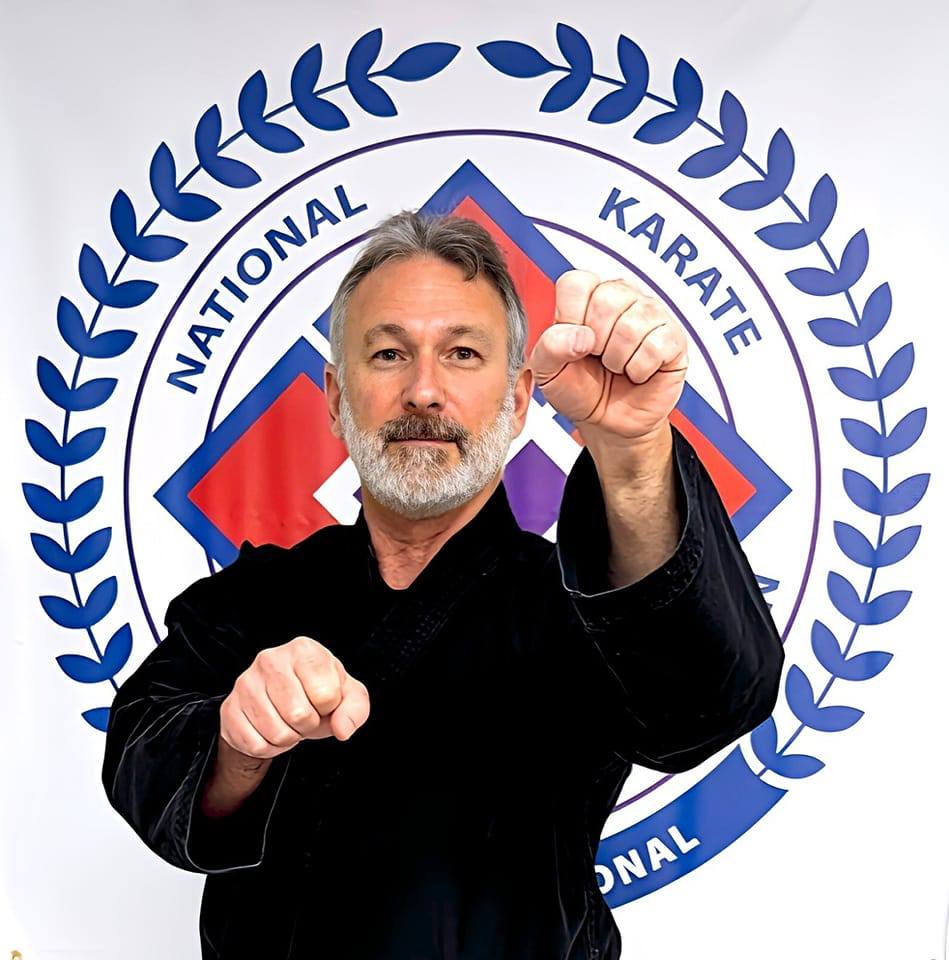
Owner and Director
7th Dan, Karate-do
6th Dan, Okinawan Shorin-ryu
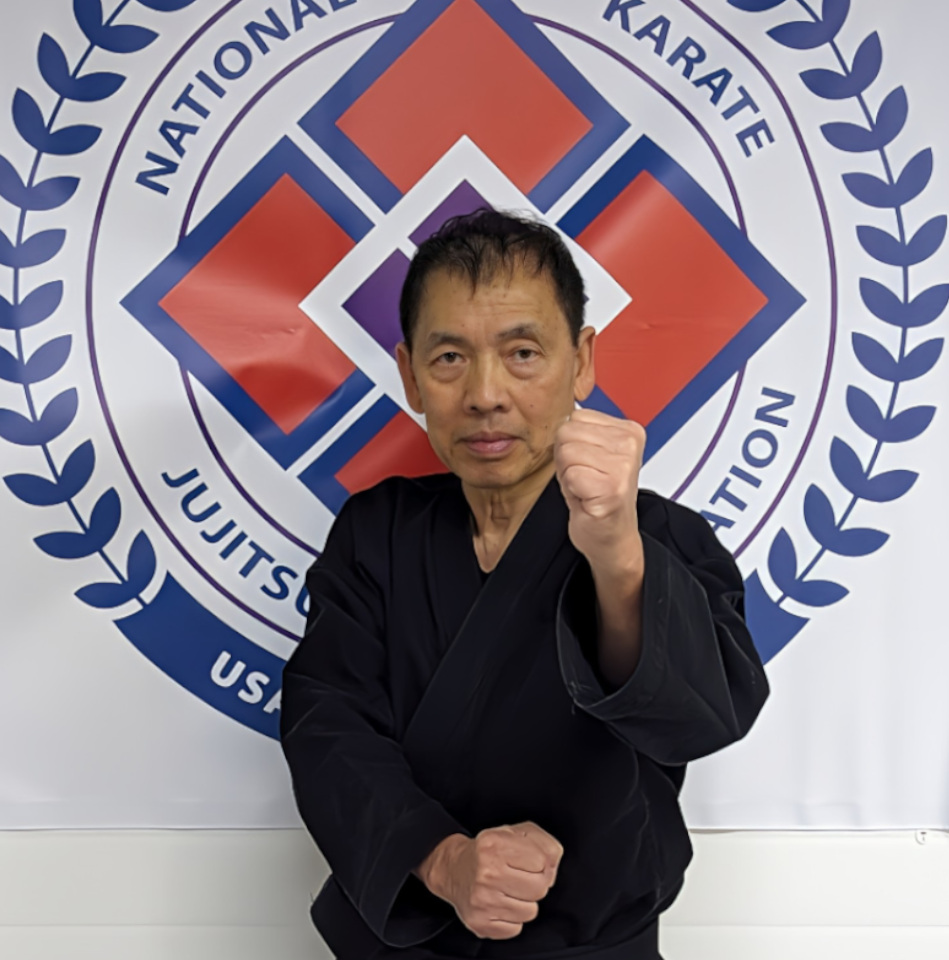
Instructor
5th Dan, Karate-do
Renshi
3rd Dan, Okinawan Shorin-ryu
Learn more about their backgrounds, lineage, training history, and teaching approach on the About CoVA Karate page .
The CoVA Karate instructors are members of the National Karate Jujutsu Federation, commonly known as the NKJF.
The NKJF provides recognition and connection across Karate-do, jujutsu, and related martial arts disciplines. Credentials awarded or recognized through the NKJF are identified separately from each instructor’s Okinawan Shorin-ryu rank.
CoVA Karate
3157 Shipps Corner Road, Suite 106
Virginia Beach, VA 23453
CoVA Karate serves adults and serious teens 17+ from Virginia Beach, Chesapeake, Norfolk, and surrounding Hampton Roads communities.
Call or Text: 757-745-9041
Email: uchinate@protonmail.com
3157 Shipps Corner Road
Suite 106
Virginia Beach, VA 23453
Tuesday & Thursday
7:00–8:30 PM
Arrival by 6:45 PM